Six Themes for Decorating Fairy Gardens

Fairy Gardens are great for children to develop an interest in gardening and help adults express their creativity. Depending on the climate of where you live and your desired effort level, Fairy Gardens can be integrated into outdoor landscaping or in outdoor containers too.

Most Fairy Gardens in Ontario would need to be indoor-only, or come inside for the winter. If you wish to build a larger garden bed as a Fairy Garden, it would have to be replanted each summer.

What is a Fairy Garden?

“A Fairy Garden is a miniature garden complete with structures and actual living plants. It is designed to give your green thumb a place to tend year-round and to lure fairies and with them, good luck, to your home. It’s a tiny space created and tended with love.”

Fairy Gardening, Inc.
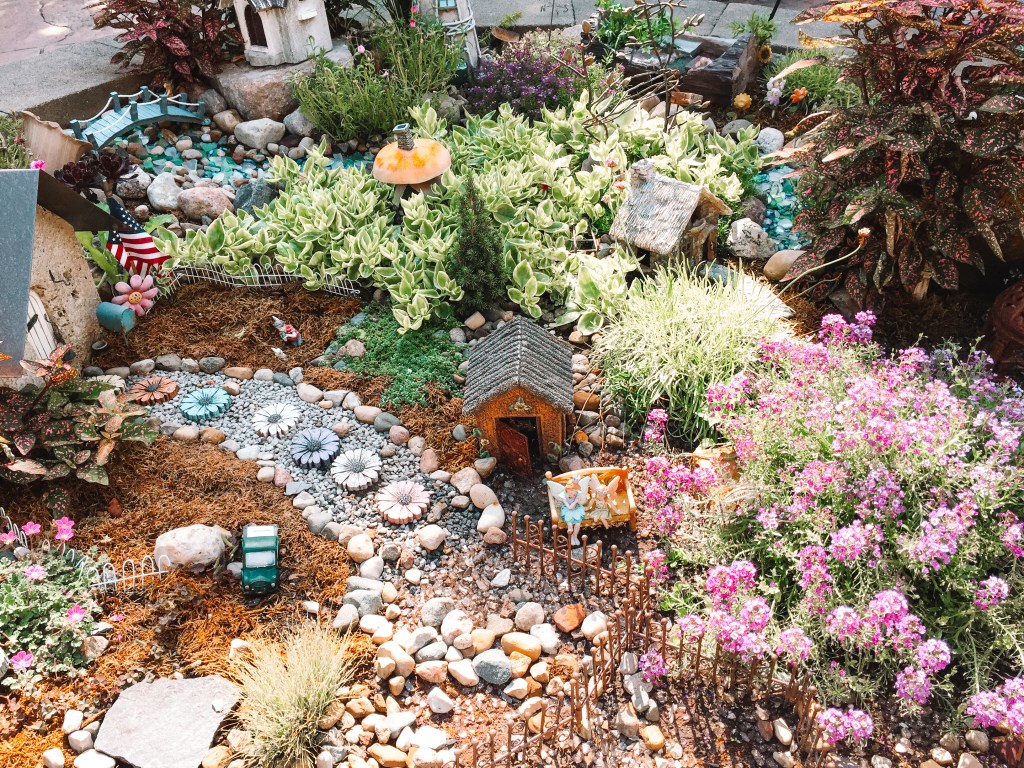
outdoor miniature garden with small sheds, stepping stones, rock pathway, and many leafy plants
One of the various outdoor Fairy Gardens in “Little Bavaria”/Frankenmuth, Michigan.

Many of these miniature gardens have themes which are fun to design, and they act as decor for a living space. Small decorations can be found at a variety of plant shops. I’ve found most of mine at Colasanti’s, Michael’s and Bradford Greenhouses.

It’s best to pick a theme, container and/or location for your Fairy Garden before you start buying supplies to ensure you have a cohesive colour scheme and don’t buy items that won’t fit in your available area. Keep in mind colours of decorations may fade if exposed to frequent sunlight. Paper umbrellas, bright colours, soft fabrics are prone to this issue.

Here are some themes to spark your creativity. Below I have listed common items to include for each theme.

Beach:
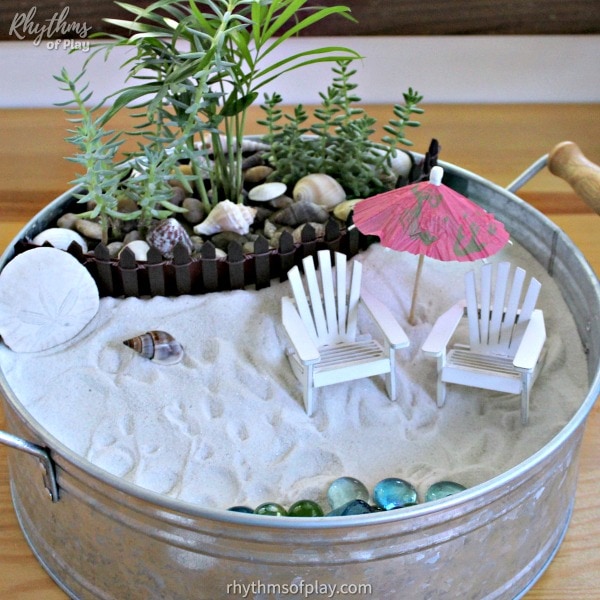
beach-themed mini garden with white adirondack chairs, pink umbrella, sea shells, glass stones, wooden fence and plants inside a metal bucket
Rhythms of Play
Popular decor items to include in a beach-themed garden:
  • white or light-coloured sand
  • boats
  • beach chair
  • beer or fruity Drink bottles
  • water floaties
  • shells
  • sea glass
  • fencing

Woodland:

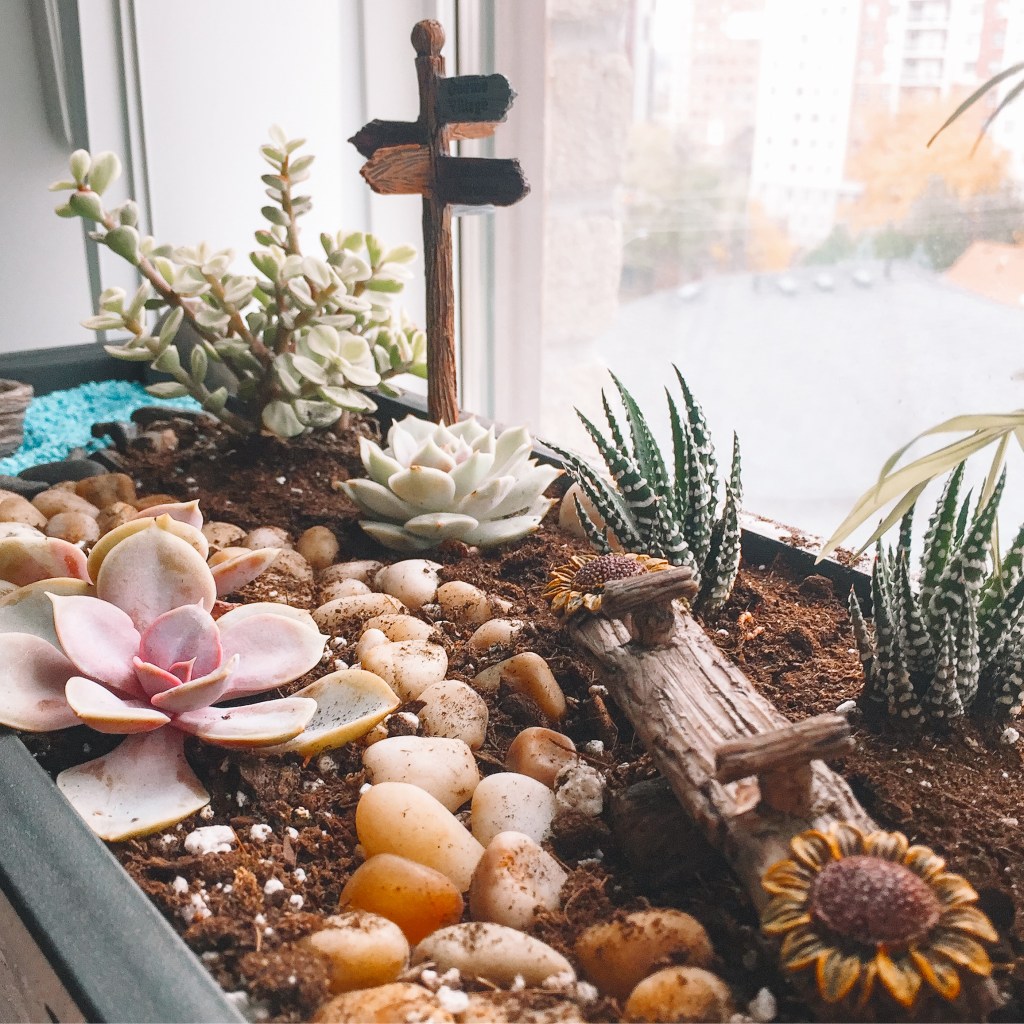
mini garden with a pebble walkway, wooden direction sign, wooden teeter totter and succulents
Sarah’s Fairy Garden in a window sill box.
Popular decor items to include in a woodland-themed garden:
  • stepping stones
  • wishing wells
  • sheds
  • shovels
  • gnomes
  • pebbles
  • bridges

Fantasy:

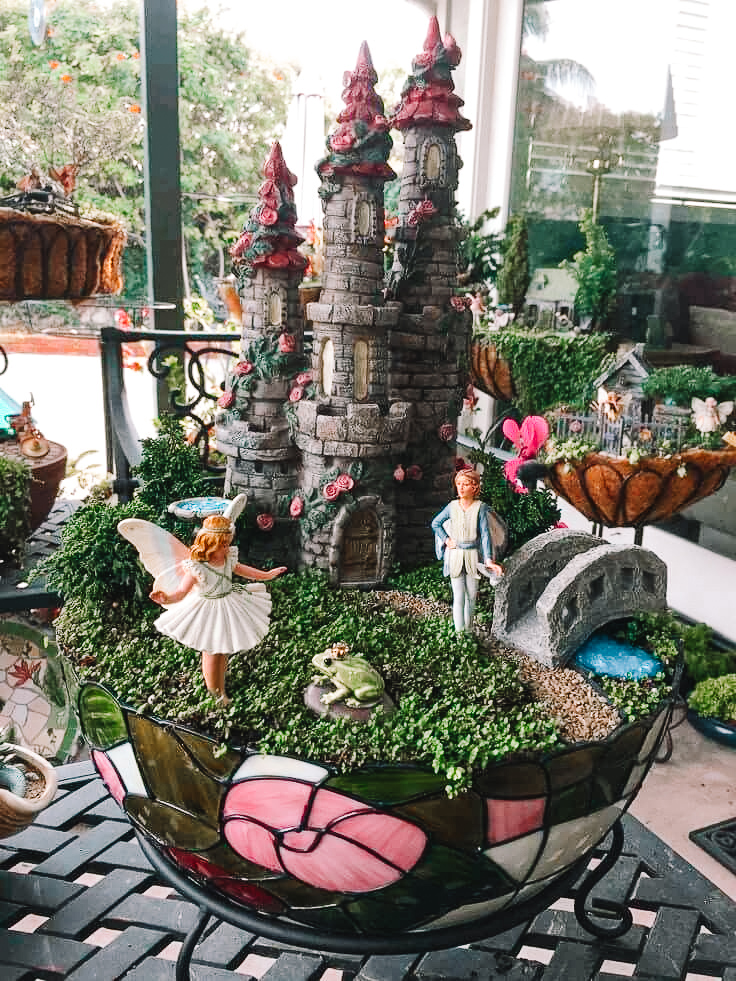
mini garden with a castle, fairies, a bridge over a moat and a prince frog
Pinterest Post
Popular decor items to include in a fantasy-themed garden:
  • crowns
  • jewels
  • castles
  • fairies
  • queens/kings
  • dragons
  • wizards
  • cauldron
  • potions

Parisian:

mini garden in a white teacup with a bridge, swan and Eiffel Tower
Living La Vida Holoka
Popular decor items to include in a Parisian-themed garden:
  • purse-sized puppies/kittens
  • poodles
  • Eiffel Tower
  • bicycle with baskets
  • wire arches
  • lamp post
  • bows
  • wine bottle
  • wire café set

Fiesta:

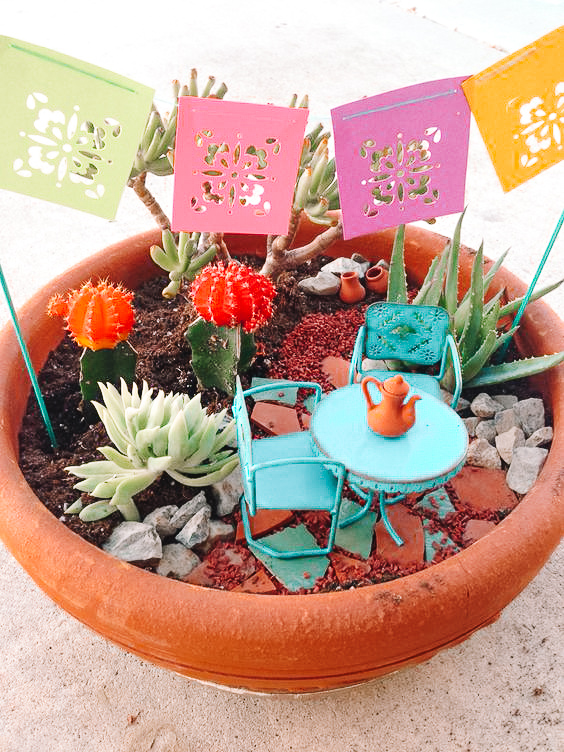
mini garden with colourful Mexican banner, teal patio set, cacti, aloe, rocks and pottery
Turquoise Kitty
Popular decor items to include in a fiesta-themed garden:
  • umbrella
  • painted stones
  • terra cotta pots
  • guitar
  • colourful birds
  • desert animal skulls
  • streamers, banners, pennants
  • lights

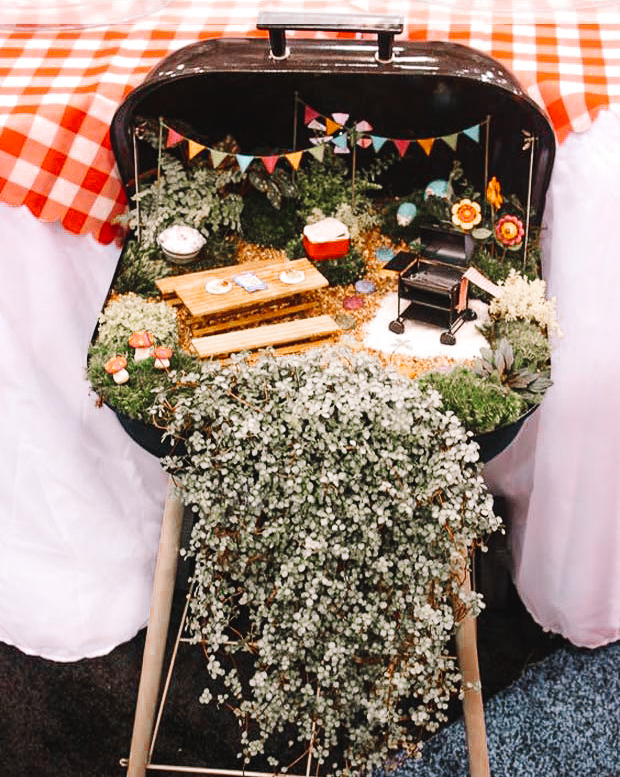
Backyard Barbecue:

Home Design Inspired
Popular decor items to include in a backyard barbecue-themed garden:
  • picnic table/blanket
  • barbecue
  • beer bottles
  • sprinkler
  • plastic flamingo
  • small critters: squirrels, chipmunks, raccoons
  • fountain

Let us know of where you’ve found items to include in Fairy Gardens or if you’ve seen any cool displays in your daily adventures. Feel welcome to share links to your own creations as well! Use #wellgrownhome on Instagram or TikTok to share on these socials.

Golden Retriever puppy dressed as a fairy for halloween GIF

How to Propagate Haworthia

Zebra Haworthia can be propagated just like other succulents.

This process can help you expand your plant collection for next to zero money. Propagation essentially means that you are growing a new plant from the cuttings, seeds or roots of other existing plants. All you need is a growing Haworthia plant, tropical soil, knife, small stones, small shovel/spoon, extra pot/plant container and water.

Steps to Propagate

Step 1: Remove the plant from its current pot.

Step 2: Use a sharp knife to cut in between the main plant and the small bud/plant baby. Cut where they meet and ensure there are roots on both sides of the cut for a higher rate of survival.

Step 3: Put small stones in the bottom of the new container. This will ensure the roots won’t rot in any excess water.

Step 4: Insert tropical or succulent-specific soil into the container 4/5 of the way to the top, covering the layer of stones.

Step 5: Make an indent in the middle of the soil to fit the base and roots of your newly cut baby plant.

Step 6: Loosen the dirt around the roots of the baby plant and the original plant.

Step 7: Gently insert the roots of the baby plant into the soil. Build up the soil at the base of the plant to position it upright.

Close up of a small Zebra Haworthia plant in green and white glass votive on a wooden table.
I purchased this glass votive at Bradford Greenhouses Garden Gallery in Barrie

Step 8: Add some more dirt to your original pot and replace the main plant back into the container.

Step 9: Wait three days then thoroughly water to promote strong root growth.

Step 10: Place plants in indirect, bright light. Water once every two weeks or as needed. Washrooms are great places for succulents to retain moisture.

Once you have your propagated plant, it’s time to display it. Why not create a macrame hanger? It’s a great way to save tabletop space and add height to your decor. Give love to your growing plant collection!

black and white flower GIF by littlekingdoms

Six Herbs to Grow Indoors

Whether it’s only during the winter months or you don’t have an opportunity to plant herbs outside in a yard or on a balcony, growing herbs can help keep meals exciting and fresh. It’s a way to liven up your kitchen and add a nice fragrance to your dishes, even if you dry your herbs.

Getting started is easy. Check out this brief tutorial on creating a mason jar herb garden. You can also find my tips for seed starting here. Herbs are easy to start from seeds! Just remember to label, if you cannot identify herbs already, adding tags is super helpful. On my Pinterest board, you can find cute plant labelling ideas.

Here are my favourite herbs to grow indoors:

Mint

It gives a cooling sensation and is used in a variety of plates from desserts to mains. It can be found in recipes for lamb, fruit salads, falafel, salmon, chocolate cakes and mojitos. This is a common herb within North American and Middle Eastern dishes. It can grow wildly, so containing it inside can help prevent it spreading throughout an entire garden bed. Olive Magazine has released how to best chop fresh mint and some fun recipes to try!

Mint in a small white and blue pitcher on a wooden counter.

Cilantro/Coriander

It has a citrusy strong flavour. Many people think you either will love or hate it (I loveeee it!). It is commonly used in salsas, guacamole, soups, salads, and with chicken, tomatoes, tofu, seafood, lamb and lentils. Many Mexican and Indian dishes use cilantro, but Indian recipes often refer to it as Coriander. Food and Wine has posted 19 recipes for cilantro-lovers!

Cilantro sprinkled on a creamy orange-coloured soup in a black bowl

Chives

Chives have a similar taste to onions and leeks, but has a less potent flavour. It is most popularly used as a garnish for starchy dishes with potatoes, rice or risotto, but is also used in soups, sauces and dips. It complements chicken, fish, eggs, shellfish and asparagus. Kitchn wrote an in-depth piece about chives.

Bundled chives on a wood surface

Dill

It is a very delicate herb that flows in the breeze when outside. It pairs well with starchy foods (like potatoes and rice), and is great for pickling. It is commonly used in soups and stews, and on fish. It can be used in popcorn seasonings or mixed into yogurt-like dips such as tzatziki. Dill popcorn is my favourite! Here is a recipe to make this snack. We used to have a popcorn order on Fridays at my elementary school. You could get a bag for $1. They brought it around the classrooms in a red wagon and then you lined up at the class door. I always got dill!

Herring salad with dill, pickled cucumbers and onions

Thyme

It has small leaves with a strong fragrance. It goes well with fish, chicken, duck, eggs and hearty vegetables. It is found in recipes for sauces, rice dishes, dips, marinades and stews. It is often used in Mediterranean dishes. This one looks pretty and I love to use it in plating when there’s guests over. Honestly, I leave it to my mom for the eating part though.

A sprig of thyme beside cinnamon sticks, a lemon and a jar of honey that is tied shut with twine and paper

Oregano

It is famously used in salad dressings, and also tomato sauces for pizza and pasta. It complements tomatoes, mushrooms, zucchini, eggplant, beef, chicken, fish, lamb and rabbit. It is common in Italian, Greek and Mexican cuisine. Who goes wild with oregano on their pizza? Raise your hand and click here for pizza dough inspiration!

Dried oregano on white background

I wonder if my love for many of these spices comes from my Mediterranean heritage. Fania, my maternal grandma (I call her Bobo), grew up in Macedonia. She was always cooking when we’d be visiting my mom’s side of the family.

Vibrantly-coloured bean dishes with herbs, vegetables and lemon on a blue background

Do flavours from your childhood influence your cooking and eating preferences? Let me know in the comments!

PS. If you have time, check out some of my favourite food writers: Karon Liu and Chrissy Teigen. Plus my favourite menu-eater: Keith Habersberger of The Try Guys.

Top Greenhouses to Visit this Weekend

Visiting a greenhouse is the perfect weekend activity; it’s great as a solo trip, with friends, with a significant other and it’s also kid-friendly! Ontario has many places to buy plants with garden centres at many home improvement stores, superstores and grocery stores too. Depending on the location, the employees will have more or less training on plant care.

Animation of plants growing GIF by whateverbeclever
via GIPHY

The following are my top picks within Central/Southern Ontario:

Colasanti’s Tropical Gardens

Colasanti’s Tropical Gardens are fun for the whole family. Located in Kingsville, Ontario, it’s a nice day trip from Windsor or Chatham-Kent, but just under a two hour drive from London. My mom’s side of the family live around South Windsor/LaSalle, so this place has always been a popular family outing for us since I was little. Those interested in plants can explore the tropical gardens and pick out something to buy from their greenhouse and home décor section. Some of my plant holders in this air plant post are from Colasanti’s. They have a fantastic succulent collection.

At Colasanti’s there are so many activities to enjoy! Check out the mini putt course, small amusement rides, petting zoo and arcade. You can also grab a bite to eat at their restaurant. I recommend trying their delicious donuts!

A mother and child in a garden centre looking at succulents.
(Instagram @colasanti_farms)

Sheridan Nurseries

Sheridan Nurseries is a favourite of mine for both perennials and annuals. The customer service at Sheridan Nurseries is top-notch. They are a great pick for someone looking to get advice about plants, especially ones that grow in Ontario. Something incredibly helpful is their plant finder page; you can look up different plants and sort the search with filters such as their light requirements, edibleness, bloom time and more. I’ve only visited the Kitchener location, but it was a frequent place of visit when I lived in Waterloo. They also have locations all over the GTA, which I hope to visit soon!

Belgian Nursery

Belgian Nursery is huge and covers a large site off Highway 7 in Breslau, between Guelph and Kitchener. This spot gives many Instagrammable moments for their visitors to capture, such as their mega-sized cacti displays and their pond. Their plant stock is plentiful, and their nursery history is as abundant to match. They consistently have great deals on different products, so it’s best to subscribe to their email newsletter. They also have some cute exotic birds for you to say hello to in their main cash building.

Bradford Greenhouses Garden Gallery

Bradford Greenhouses Garden Gallery is the garden centre that I’ve definitely been to most in my life. With a location within 15 minutes from my family home and another in Bradford, just down the 400 Highway, it’s always been quick and convenient stop for me. You can alternatively take Young Street all the way from Toronto or Barrie to visit the Bradford location. They have thousands of plants, but they also carry trees and have floral arrangement and landscaping services. In addition to plants, there are large displays of purchasable furniture and décor set up to match the season. They even have Lilie’s Boutique for women’s clothing and accessories. Bradford Greenhouses is a member of a larger Garden Gallery greenhouse group including nine other garden centres in Ontario. They host the Barrie Spring Garden and Home Show, and, similar to many other greenhouses, they also have holiday events. I love visiting close to Christmas to look at all the decorated trees and, of course, eat the popcorn – it makes the experience one to remember year after year!

Do you have another favourite place to add to the list? Comment below!

ATTENTION: Due to Covid-19, I suggest you stay home unless necessary and visit these places in the future. Some greenhouses are offering pickup purchasing options and many have safety protocol in place. Stay home and stay isolated as much as possible! Thanks!

How to Style your Air Plants

Air plants are great for people who tend to forget to water their plants or don’t want the mess of dirt. They come in a variety of shapes and sizes and go by the scientific name Tillandsia. These are low-maintenance plants perfect for beginners, but enjoyable for the most experienced gardeners.

When you first buy your air plant, you should soak it for 15 minutes. Then allow for it to dry upside down to ensure all the water drops can escape the leaves. Water trapped inside the plant can help produce mold. The bottom is where all the leaves begin together. Once fully dry, the plant can be flipped back over and it’s ready to be styled!

Depending on the size of your Tillandsia and location in which you keep it, misting or soaking will work. The smaller ones may only need a good misting every week or so, but the larger ones may need to be soaked up to 30 minutes. The more light and dryness in the air the plant experiences, the more watering the plant will require.

Key Styling Tips:
  • Do not placed in soil – there will be too much moisture at the base of the plant.
  • They love bright, indirect light – either artificial or natural light work!
  • Air plants require good air circulation – they absorb nutrients through the air.
These are the ways I’ve styled my own air plants:
Air plant in a lightbulb-shaped plastic container filled with a base of pink and mint decorative sand.
Ensure there are holes on the sides and at the top
of the container to promote air circulation.
It actually lights up and was intended to be a beverage
container, so the top is open for drinking.
air plants in hanging spherical glass containers with twisted twine loops
These plant holders are the millennial dream: light and chic!
You can add in decorative sand to match your room’s colour theme.
I’ve found them at Michael’s, Bradford Greenhouses and Colasanti’s.
air plant in spherical glass container with base on countertop
This is my favourite holder because it is so cute!
It’s my plant’s own little home to live in and
I keep it on my bathroom counter. I bought it at Colasanti’s.
Here are some images to inspire you that I found on Pinterest:
air plants hanging from sea urchins in tall glass vases from driftwood sticks
Found Here
air plant in a glass container with white sand - a hand is drawing swirls in the sand with a pointed stick
Found Here
air plant in unique driftwood piece
Found Here

Hanging your plants is a great way to add visual height to your space and leave desktop room for other items. Here is my macrame hanger tutorial you can try.

Hemleva, an online air plant shop, has created “Air Plant Dating Profiles.” This tool can help you learn about the various species and what might be a good match for you!

Here are two plants from their list:

Do you have other suggestions? Let us know in the comments. Tag @wellgrownhome on Instagram or use #wellgrownhome. You can find more indoor plant styling ideas on my Pinterest board!

Design a site like this with WordPress.com
Get started